
Vehicular encounters present unique risks and dynamics that standard defensive training often overlooks. For officers and tactical teams, being prepared to defend yourself, your partners, and the public in and around vehicles is essential. The Vehicle-Centric Defensive Tactics program was developed specifically to address those realities and provide practical, policy-aligned solutions for real-world incidents.
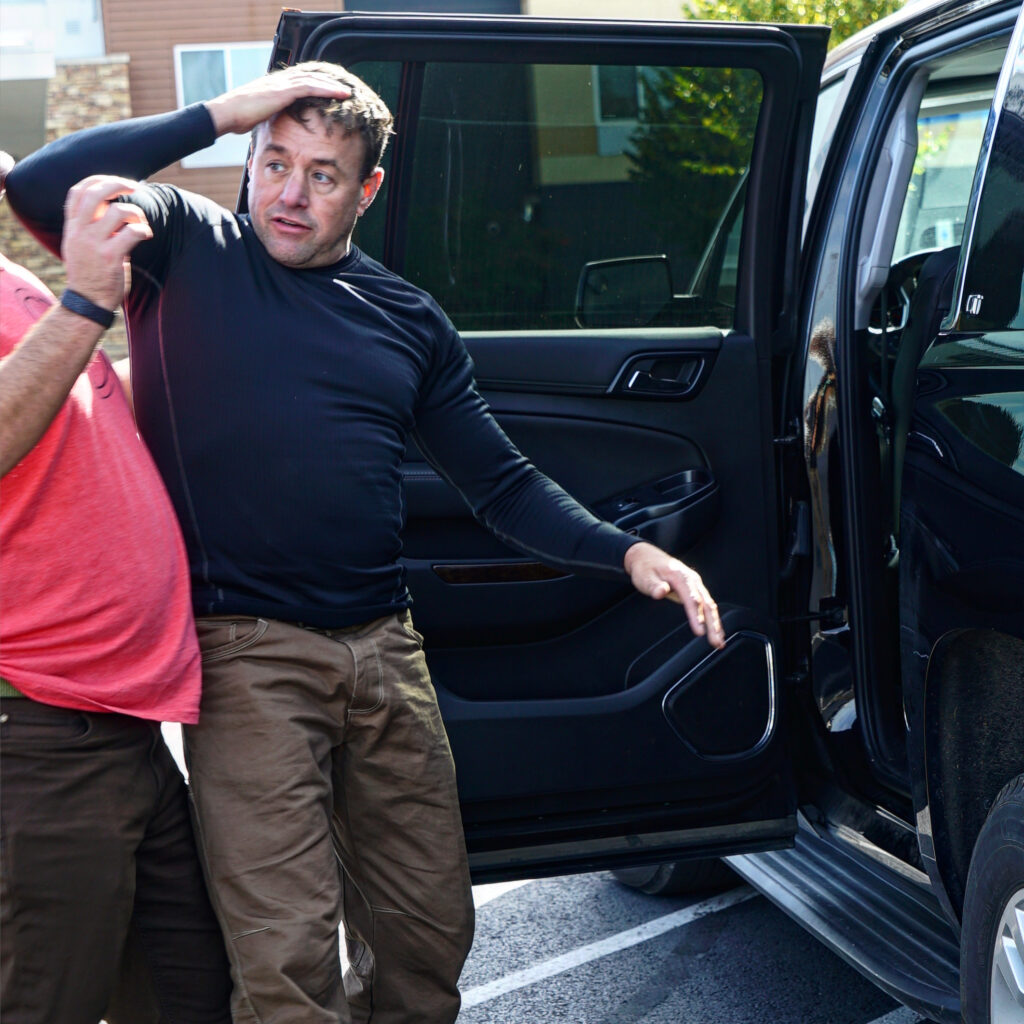
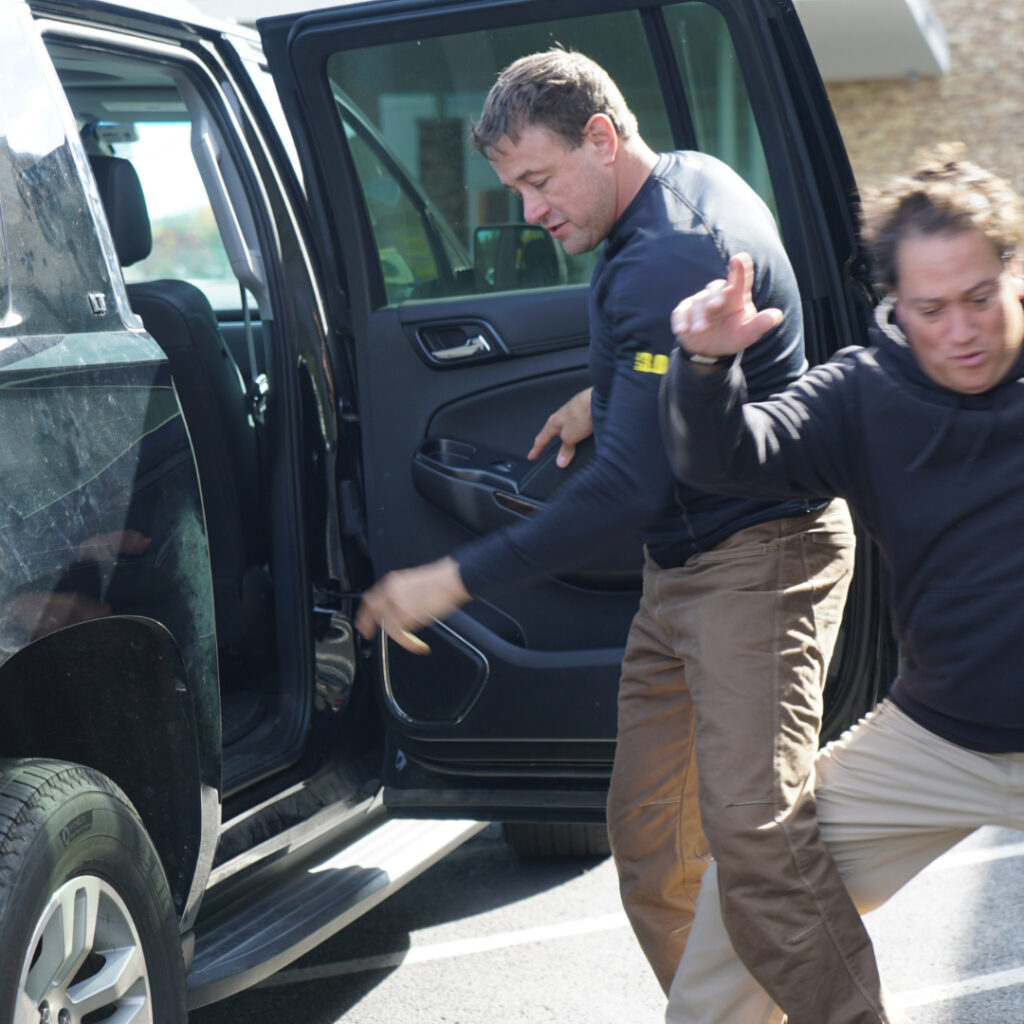
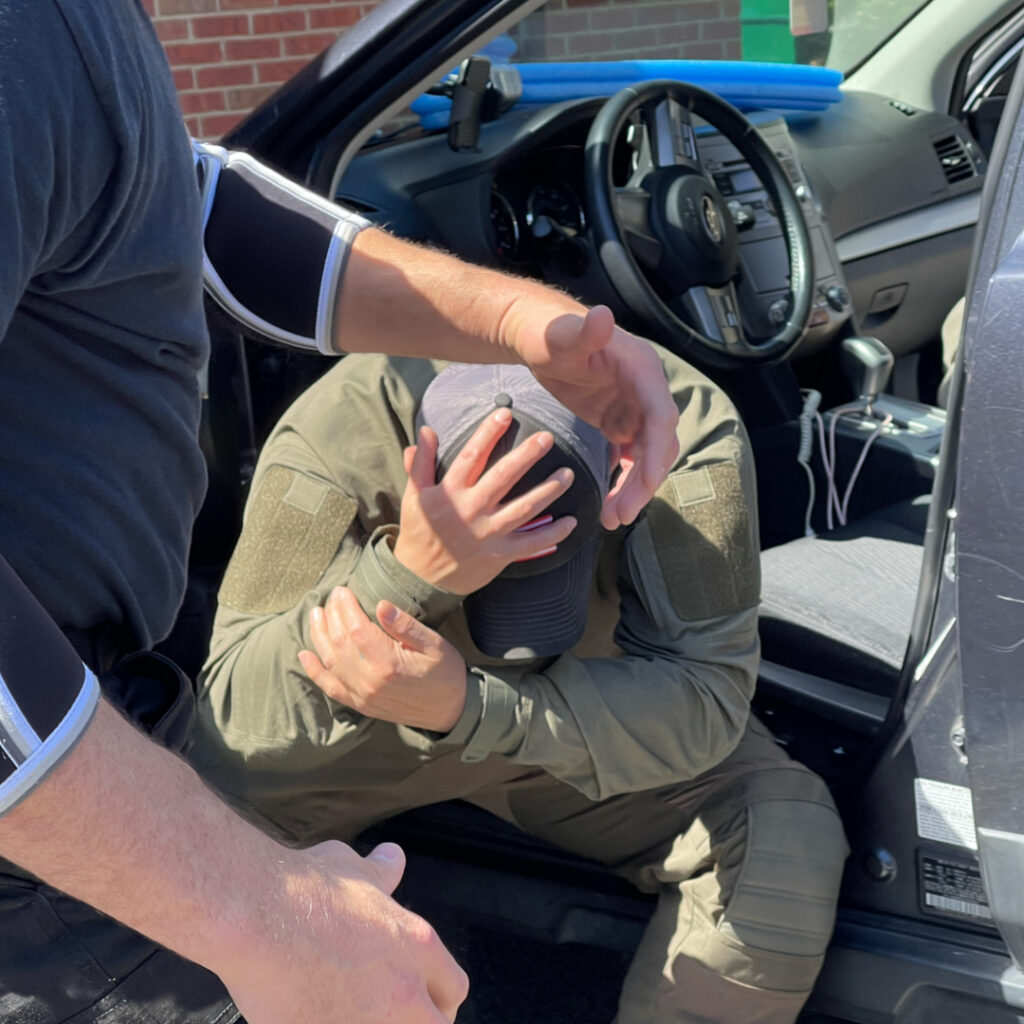
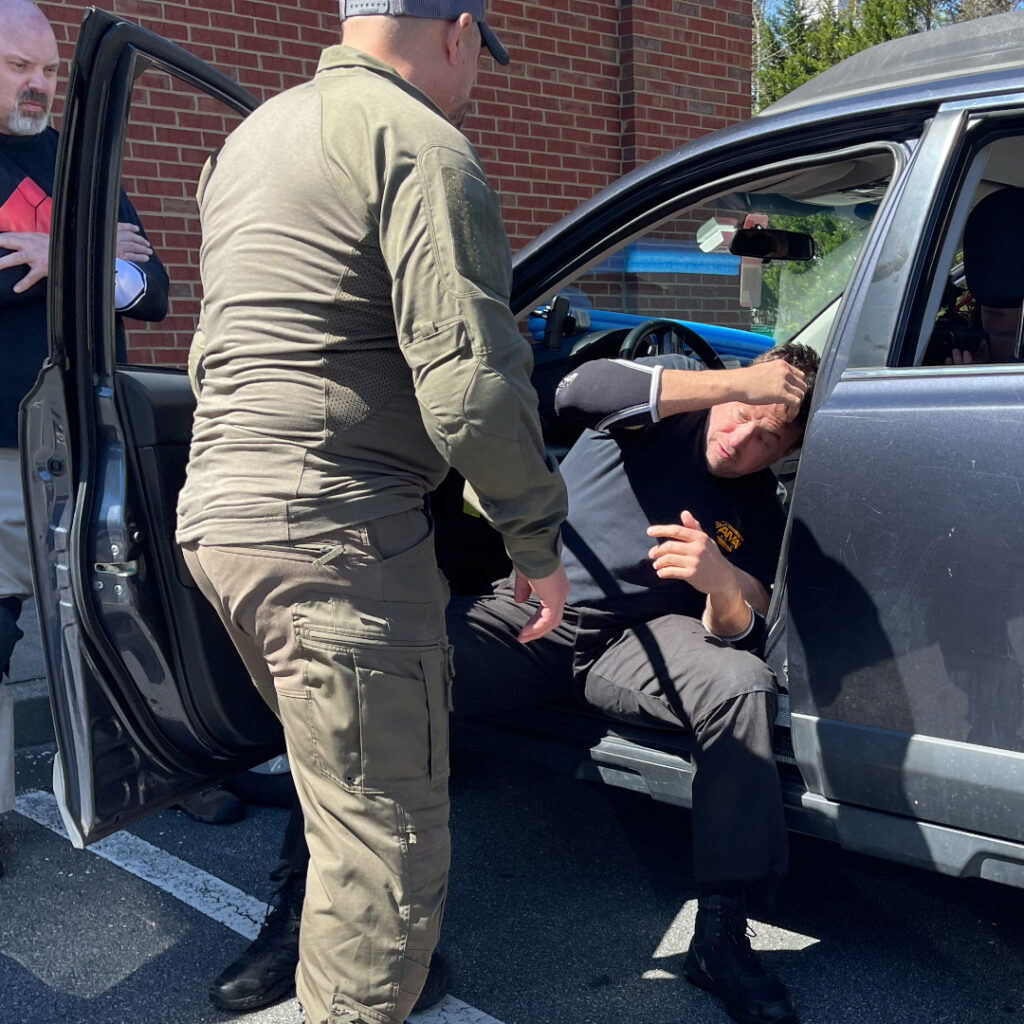
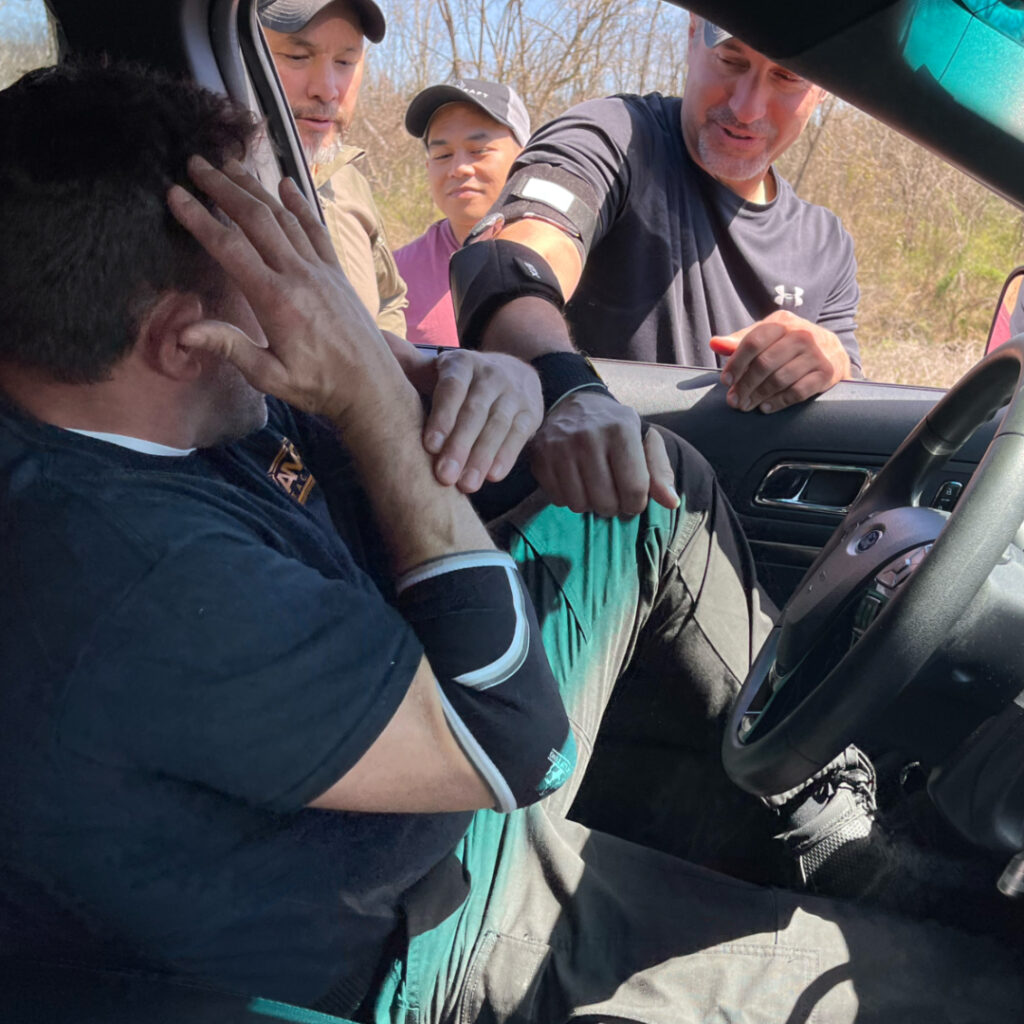
This program is built around the operational environment of the patrol officer, protection specialist, and tactical operator. Training covers threats that occur inside a vehicle, including aggressive passengers seated beside or behind you, as well as attacks through open windows and doors. Students learn safe and effective methods for removing a threat from a vehicle while maintaining officer and public safety.
Outside the vehicle, the curriculum teaches how to use the vehicle as a tactical tool for movement and leverage. Officers practice controlled movement along and against the vehicle to generate power, create space, and apply appropriate control techniques. Instruction includes responses to edged-weapon and firearm threats in confined spaces as well as strategies for dealing with single and multiple threats while standing, kneeling, or on the ground.
VCDT emphasizes simple, repeatable solutions that are legally defensible and tactically sound. Lessons are scenario driven and stress-tested to build decision-making under pressure, team communication, and after-action review. The program is ideal for patrol units, protection details, motorcade teams, and specialized response units that face vehicle-based threats and need reliable, teachable tactics that work in the real world.
- Master vehicle-based defensive techniques: Our program covers a wide range of specialized defensive tactics tailored for various vehicle-related encounters, including carjackings, road rage incidents, ambushes, and more.
- Enhance situational awareness: We train you to recognize potential threats, assess risk factors, and develop strategies to maximize your safety while in or around vehicles.
- Develop decision-making skills under pressure: Our training methodology focuses on high-stress scenarios, enabling you to make rapid, effective decisions and take appropriate action in critical moments.
- Optimize vehicle positioning and utilization: Learn how to use your vehicle as a defensive asset, employing it for cover, evasion, and creating barriers to protect yourself and others.
- Learn from industry experts: Our instructors bring a wealth of practical experience in vehicular security, ensuring you receive top-notch training from professionals who understand the unique challenges you face.
Baker Tactical Partners With The Vehicle Dynamics Institute To Deliver Open Training Events Throughout The Year
Program Overview
VCDT Phase I: Active Deterrence
This initial phase of this program introduces students to the fundamentals of the unique approach to defensive tactics that VCDT is built upon – Living Mechanics® – and how to effectively apply them within the context of a physical confrontation in or around a vehicle while maintaining a proportional use of force and minimizing the Principal’s exposure to risk. The focal points of this first phase of the program include:
- Proportional Use of Force
- Stance and Balance; Translating and Relating to Vehicle
- The Vehicle; Overcoming Disadvantages, Finding Advantages
- Practical Defensive and Kinetic Measures
- Intensive, Scenario-Based Practical Exercises
VCDT Phase II: Kinetic Protective Measures (Prerequisite: VCDT Phase I)
In this second phase of the VCDT program, students will build upon the foundation provided in Phase I to expand their understanding of what’s needed to overcome the challenges and hazards of potential physical confrontations while he or she is in or around the vehicle and the most effective strategies or tactics for maintaining adequate protection of the Principal and/or other passengers. The focal points of the second phase of the program include:
- Review of Phase I Tactics and Techniques
- Non-aggressive Postures and Positioning
- Protecting the Principal; Arrivals (Debus), Departures (Embus)
- Protecting the Principal; Interdicting and Redirecting Potential Threats
- Increasingly Complex, Scenario-Based Practical Exercises
VCDT Phase III: When It Turns Serious (Prerequisite: VCDT Phase I & VCDT Phase II)
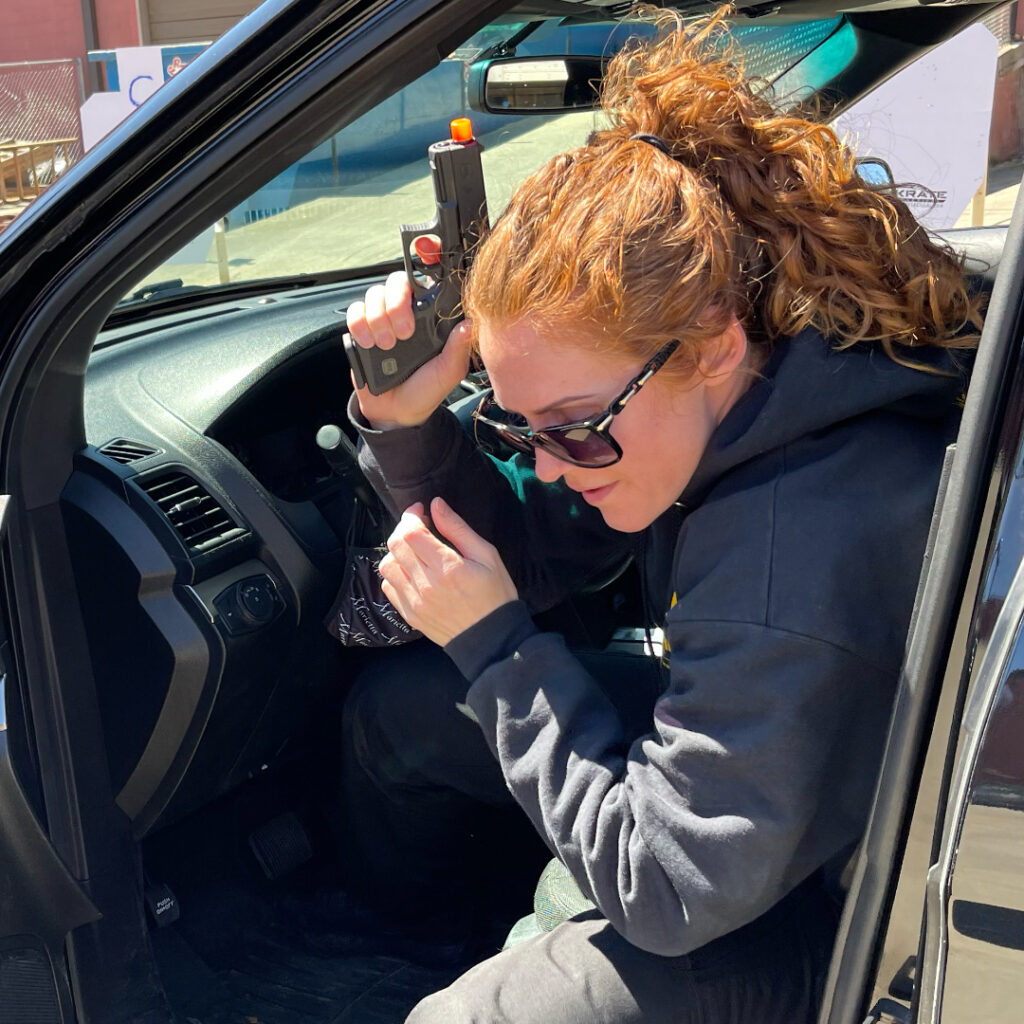
The third phase of the VCDT program focuses on tactics and techniques that are indispensable when a situation turns serious, and potentially lethal weapons are now a part of the equation. While the most basic tenet of secure transportation and close protection operations is to do everything in one’s power to avoid just such an encounter, if – as always, IF being the operative word – happenstance or circumstances are such that the Security Driver is armed, he or she must be able to effectively defend against a similarly armed adversary, while being fully capable of retaining their own weapon. The focal points of this third phase of the program include:
- Review of Phase I & II Tactics and Techniques
- The Unarmed vs. the Armed Protector
- The Unarmed vs. the Armed Adversary
- Practical Weapons Retention and Disarming
- Realistic, Intensive, Scenario-Based Practical Exercises
Design A Program For Your Team

One of the things Alan can do is put together training outlines that we will be uniquely designed to fit your team’s needs specifically. And training dates and training times can be scheduled to suit your team’s busy schedule. If you are interested in organizing a training event with Coach Alan, please reach out to our staff, and we will be happy to assist you.